
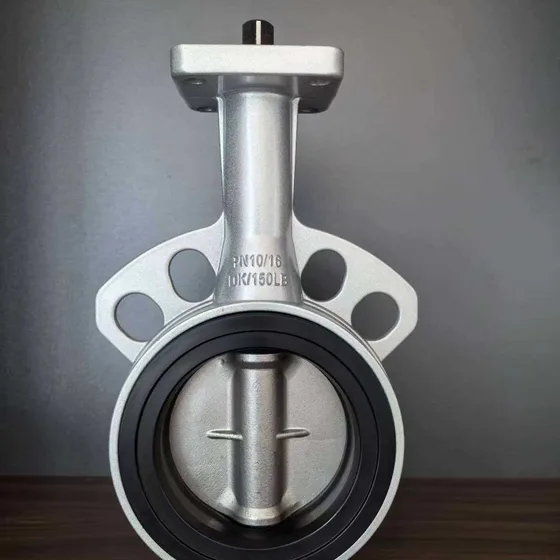
Bare shaft
For customers integrating their own compatible actuator or control package.
Industrial valve solutions from Suzhou, China
Roger@henovalve.comOperator selection
Choose the operator from size, operating frequency, access, available utilities, control architecture, fail position, environment and required feedback.
Configuration guide
Ranges below follow the current HF-520 datasheet and remain subject to final valve/actuator matching.
For customers integrating their own compatible actuator or control package.
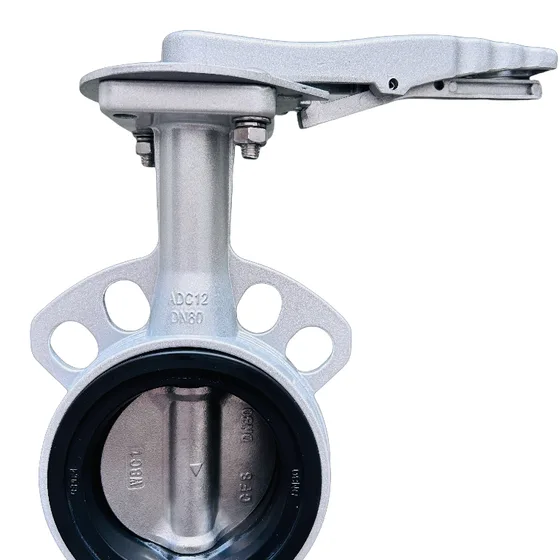
Simple local manual isolation where the operating frequency and access conditions permit.
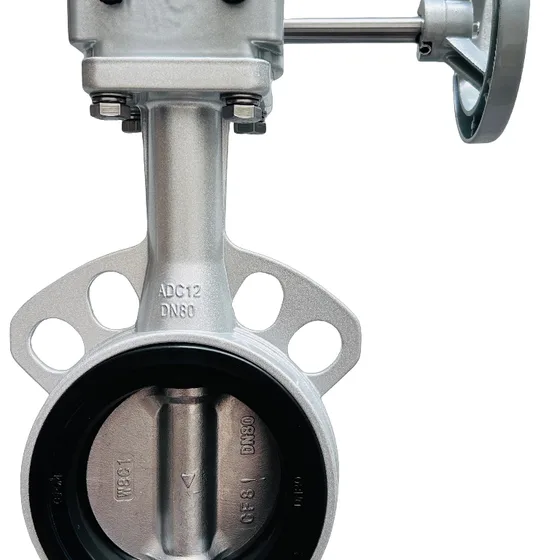
Geared manual operation for controlled local opening and closing.
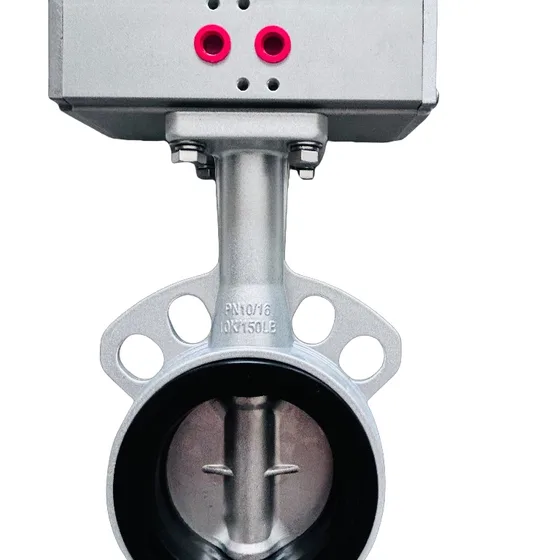
For automated equipment and systems with a suitable compressed-air supply and control architecture.
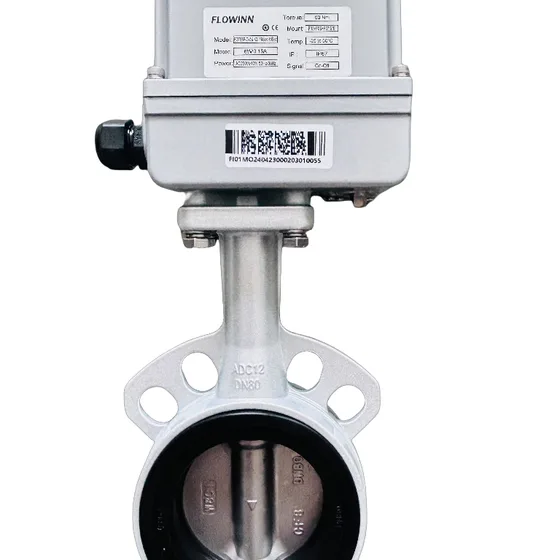
For electrically operated systems after voltage, control signal, duty and environmental requirements are confirmed.
Manual operation
A handle is direct and simple for accessible, suitable sizes. A worm gear provides geared manual movement and may be preferred where controlled operation or a larger size makes direct handle operation unsuitable.
Automated operation
Pneumatic selection needs air supply, control logic, fail action and accessories. Electric selection needs voltage, control signal, duty, torque, enclosure and environment. Supply these before an actuator is proposed.
| Selection input | Why it matters |
|---|---|
| Operating mode | On/off, modulating or throttling duty affects the operator and controls. |
| Available utilities | Air pressure and quality for pneumatic; voltage, phase and frequency for electric. |
| Fail position | Fail-open, fail-close or fail-in-place requirements shape the actuator package. |
| Environment | Indoor/outdoor placement, washdown, dust, temperature and hazardous-area requirements must be stated. |
| Feedback and control | Limit switches, positioner, solenoids, manual override and signal requirements affect accessories. |
Selection support
Tell us the valve size, duty, available power or air, control signal, fail position, environment and accessories required.